Which pest control service fits your problem
If you are not sure where to start, match what you see to the service in the table. The provider will confirm the diagnosis at the inspection, so a rough match is enough to begin.
| Service | Start here if you notice |
|---|---|
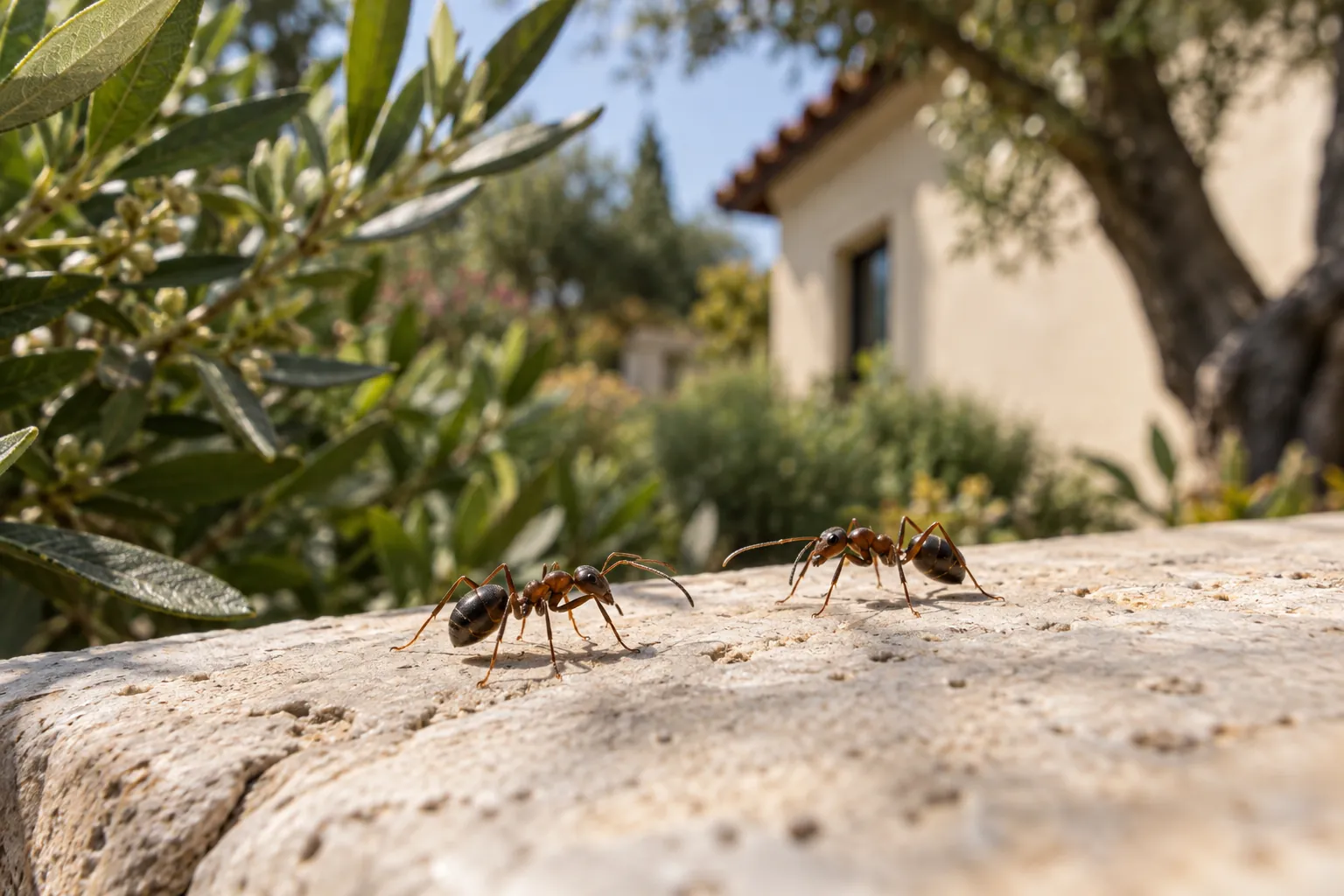
| Ant control | ant trails in the kitchen or sawdust under windows |
| Cockroach control | roaches in the kitchen or bathroom |
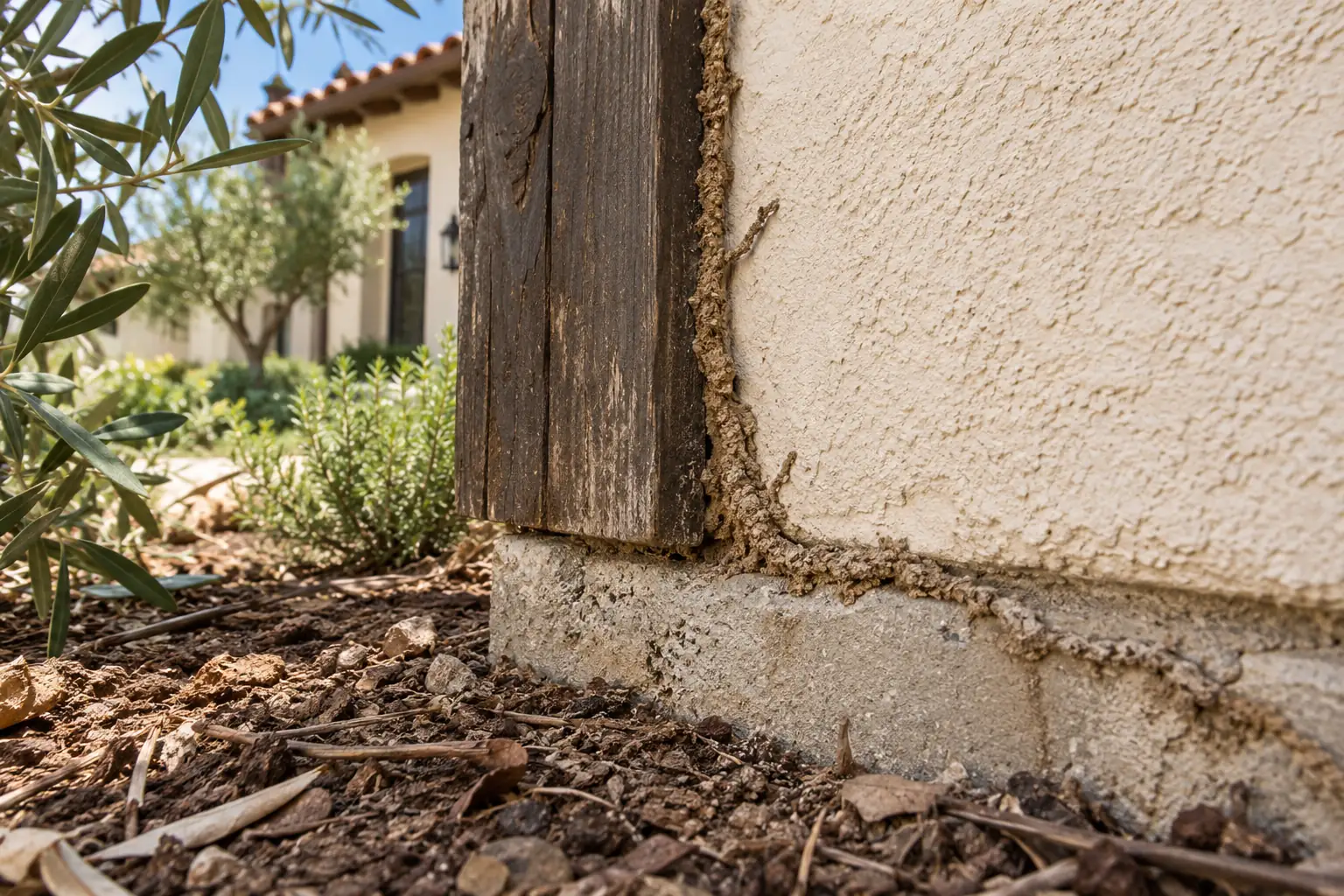
| Termite control | mud tubes, swarmers or hollow-sounding wood |
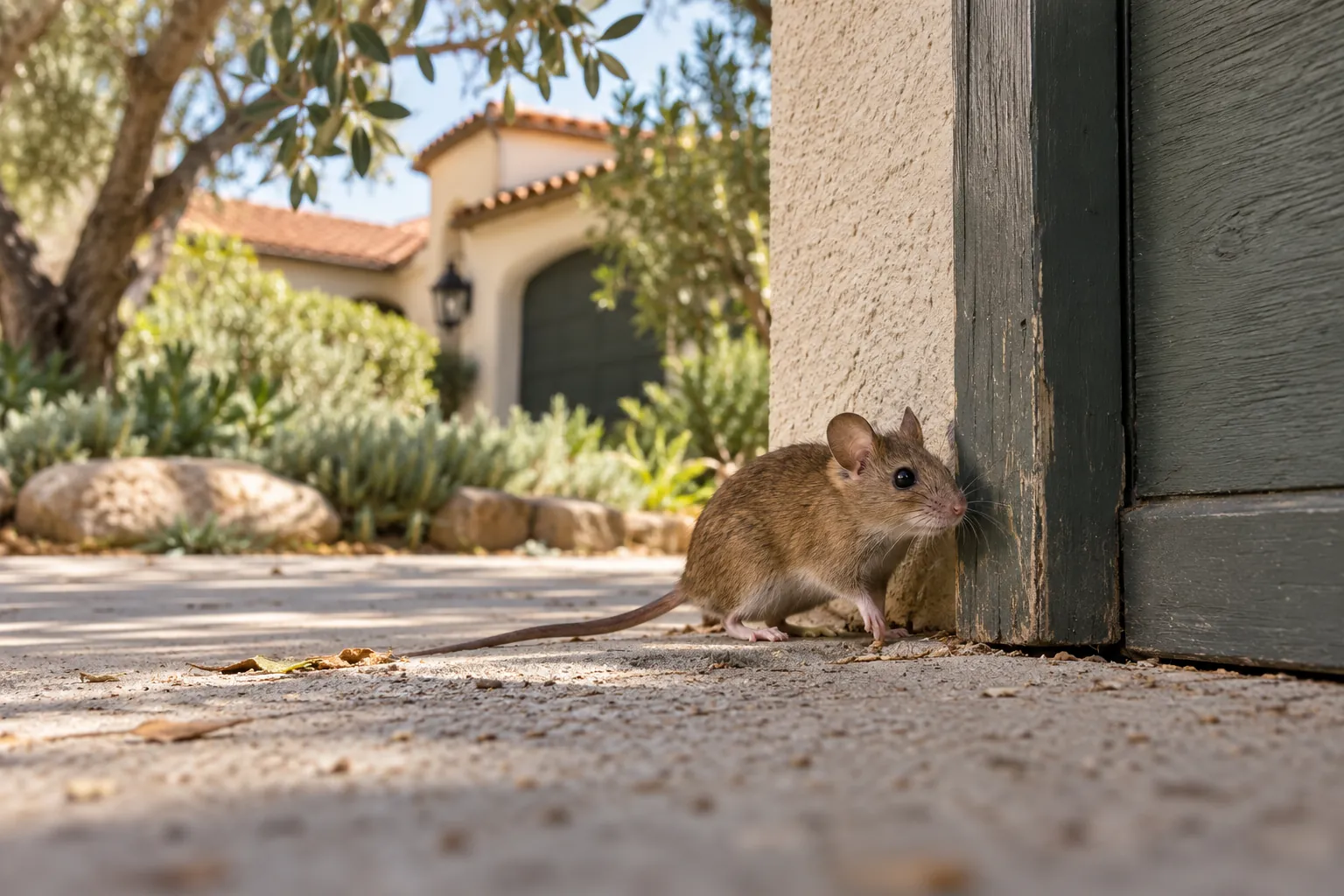
| Rodent control | noises in the attic, droppings or gnawing |
| Spider control | webs, black widows or spiders in the garage |
How a pest control visit works, step by step
A good visit follows the same order every time, whatever the pest. Knowing the order helps you compare what each company offers and spot a visit that skips the first two steps.
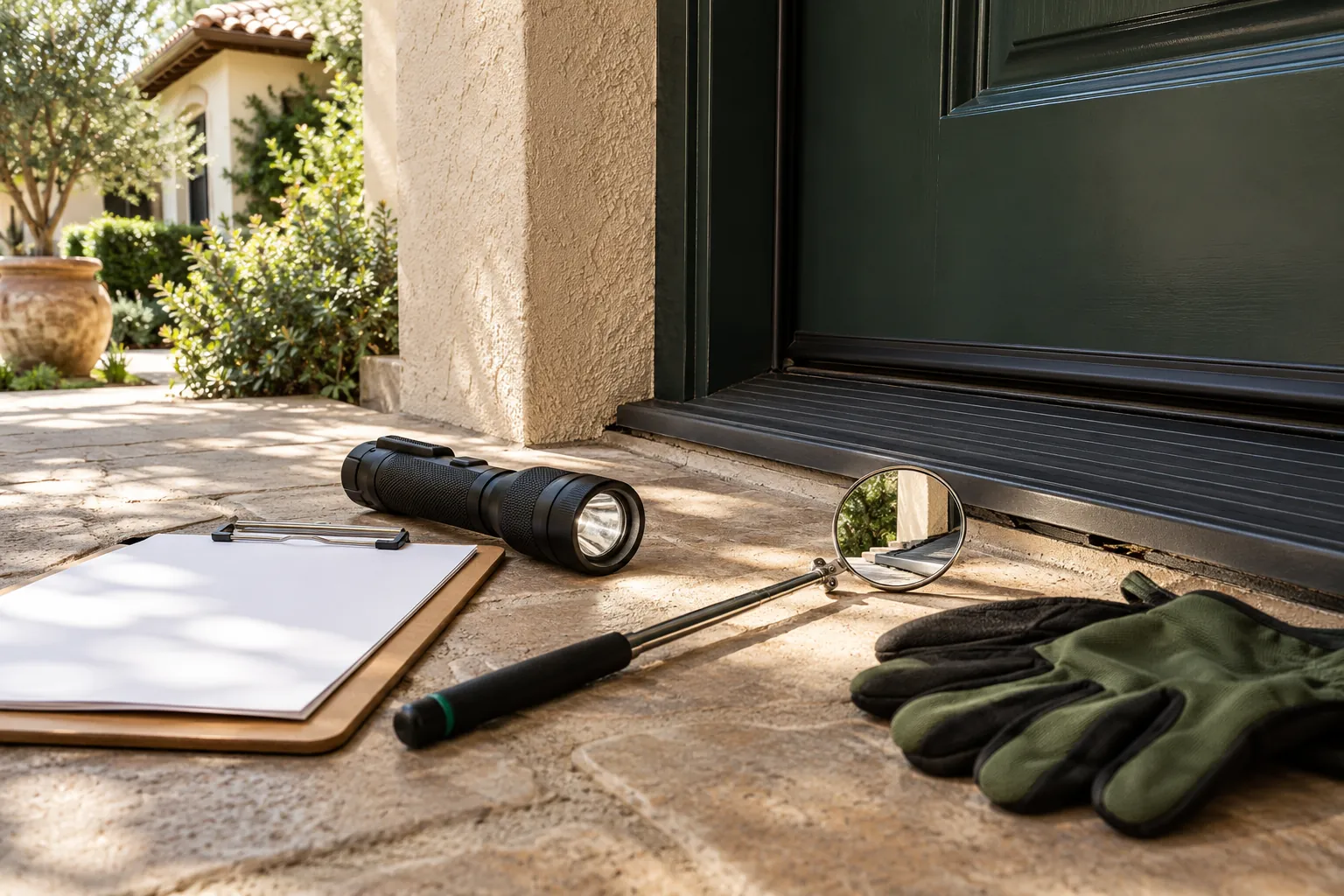
- Inspection: the technician walks the outside first (foundation, vents, utility lines, eaves, fence lines, mulch) and then the inside (kitchen, bathrooms, garage, attic or crawl space).
- Identification: the species is named from the insect, droppings, damage or trail, because the right product and method depend on it.
- Plan: the provider explains what will be done, which products or devices will be used, and what you need to do before and after.
- Treatment or exclusion: the work is done in the places the inspection found, not by spraying every room.
- Follow-up: you get a date for the next check and a clear answer on what to report if activity returns.
What changes the scope of the work
Neighboring houses rarely need identical pest control work, because age, landscaping and moisture differ from one lot to the next. A good written scope names the factors that shaped the plan for your address and shows how each one widened or narrowed the work.
Two things make proposals easier to compare: a clear line between a single treatment and ongoing service, and a note of anything the technician could not get to. Scopes that name the places you were worried about, such as the attic, crawl space, garage or fence line, beat a generic package every time.
- How far the problem has spread and how long it has been active
- Size and age of the home, and whether it sits on a slab, a crawl space or a basement
- Number of entry points, gaps around pipes and cracks in the foundation or siding
- Access to attics, wall voids, sheds, outbuildings and the yard
- Whether you want a single treatment or an ongoing plan with scheduled visits

Questions to ask before you agree to any pest control
- How many visits are in the plan, and what happens if activity returns?
- What will you seal, remove or fix, and what stays my job?
- What will you write down for me: scope, exclusions, follow-up and product list?
- Which products, baits or devices will you use, and where will they go?
- Who is on site, and can you show the state licence or applicator ID for the work?
Pest control methods compared
| Method | Best for | What to know |
|---|---|---|
| Insect growth regulator (IGR) | Roaches, fleas, bed bugs | Stops juveniles from becoming breeding adults. Works alongside a bait or spray. |
| Exclusion and sealing | Rodents, ants, spiders, scorpions | Closes gaps with copper mesh, steel wool, sealant and door sweeps so pests cannot return. |
| Residual perimeter spray | Ants, spiders, roaches and crickets coming in from outside | Applied around the foundation, door frames, window frames, eaves and utility entries. It needs reapplying on schedule. |
| Gel and granular bait | German cockroaches, ants, fire ants | Insects carry bait back to the nest. Do not spray repellents near it. |
| Dust in wall voids | Roaches, ants, carpenter ants and wasps in voids | Reaches cracks and voids a spray cannot, and lasts a long time when kept dry. |
Safety for children, pets and food
Pest products are regulated. In the United States each product carries an EPA-registered label, and the label is the legal instruction for where and how it can be used. Ask the provider for the product name and the label, and keep the paperwork you are given.
Bait placed inside tamper-resistant stations cannot be reached by children or pets, and gel bait belongs in cracks and voids rather than on exposed countertops. Because waiting times before re-entry vary from product to product, find out when the kitchen, play areas and pet bowls are safe to use again, and put toys, bowls and food away ahead of the appointment.
What makes pest control different in El Cajon
El Cajon is an East County San Diego city with hills, canyons, many apartments and single-family homes with stucco walls and tile roofs. Argentine ants form large trails in warm, dry spells and after rain, especially around irrigated yards.
Roof rats use palms, fences and wires to reach attics and rooflines. Drywood termites are common in Southern California homes and leave small pellets called frass. Put the same question to every provider you speak with: how do these local conditions alter the approach at your address? A technique that suits one climate or style of housing may do little in another.
Pest control across El Cajon and nearby cities
In El Cajon, California, Pest Control El Cajon CA serves ZIP codes: . Providers working in La Mesa, Santee, Lakeside, Spring Valley and Lemon Grove also receive calls and requests. Each address is checked individually, which is why it helps to give your ZIP code on the call.
Use Call Now at the top of the page, describe what you found, and you will be connected with an independent provider in the area. The provider confirms the address, inspects the property and gives you the scope in writing.